Amazing Facts About Sunflowers
Learn several amazing facts about these fascinating golden giants.
Dr. Kimberly Swedberg
4/5/20257 min read
Amazing Facts About Sunflowers
If you've been following Elephants in Bloom, you know that sunflowers are the heroes of our story—standing tall between elephants and crops, protecting both farmers and wildlife. But there's so much more to these incredible plants than their ability to deter elephants! Let's dive into some fascinating facts about sunflowers that will deepen your appreciation for these golden giants.
The History of Sunflowers
Did you know that sunflowers have been around for thousands of years? Native to North America, they were first cultivated by Native Americans around 3000 BC. These early farmers were incredibly resourceful—they used sunflower seeds as food, ground them into flour, extracted oil for cooking and medicine, and even created vibrant yellow dye from the petals for coloring textiles and body paint.
When European explorers arrived in the Americas during the 16th century, they fell in love with sunflowers and brought seeds back to Europe. The plant quickly spread across the continent. By the 18th century, Russia was cultivating sunflowers extensively for oil production. The Russian Orthodox Church even promoted sunflower oil because it was one of the few oils permitted during Lent!
Eventually, sunflowers made their way back to the United States and around the world. Today, they're grown globally and celebrated not just for their beauty, but for their incredible versatility. The journey of the sunflower—from ancient North American fields to modern conservation projects like ours—shows just how valuable and adaptable these plants truly are.
Unique Characteristics of Sunflowers
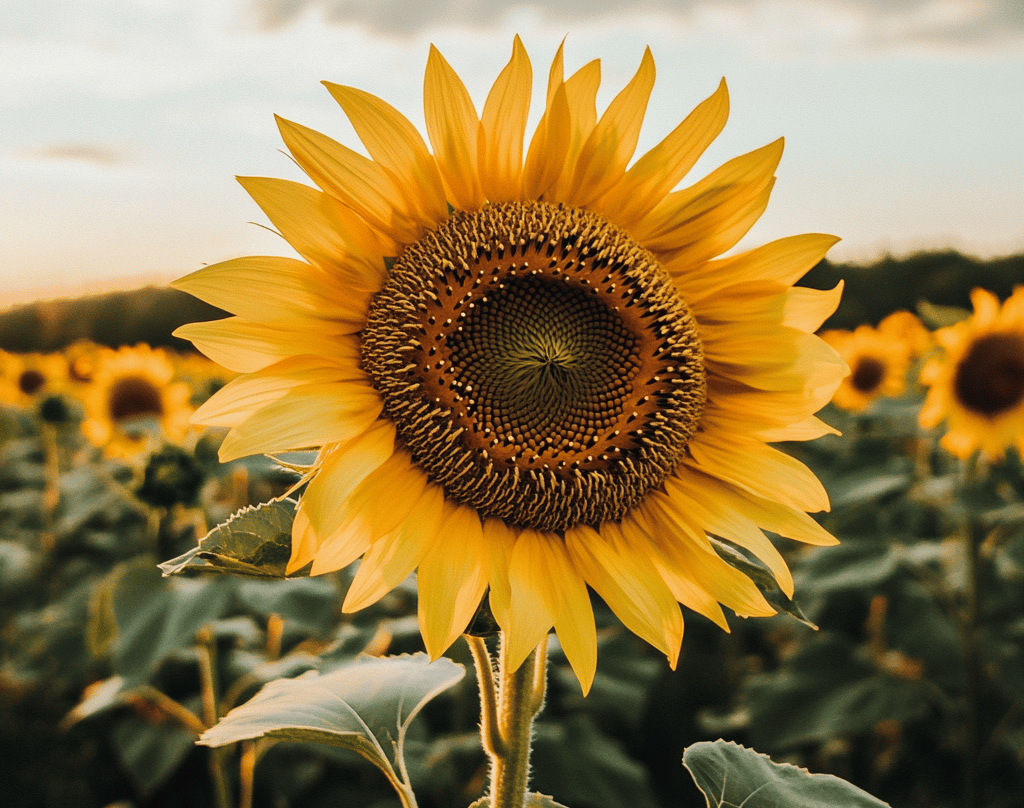
Sunflowers aren't just another pretty flower—they have some truly remarkable traits. One of the most fascinating is their ability to track the sun across the sky, a behavior called heliotropism. Young sunflowers follow the sun from east to west throughout the day, maximizing their exposure to sunlight. This helps them grow strong and healthy. Once they mature, sunflowers typically face east, which warms the flower head in the morning and attracts more pollinators.
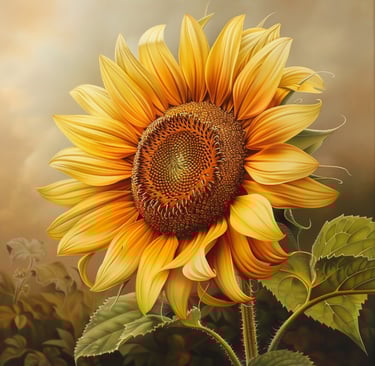
Here's another cool fact: what looks like a single sunflower is actually hundreds or even thousands of tiny flowers called florets, all packed together in the center. These florets are arranged in a spiral pattern that follows the Fibonacci sequence—a mathematical pattern found throughout nature. This clever design not only looks beautiful but also ensures efficient packing and maximum exposure to pollinators.
Sunflowers are also incredibly resilient. They can thrive in various soil types and climates, and their deep root systems allow them to access water and nutrients from deep underground. This makes them more drought-resistant than many other plants—a perfect quality for the sometimes-challenging conditions of the Maasai Mara!
Sunflower Growth Cycle
Understanding how sunflowers grow helps us appreciate why timing is so important for our Elephants in Bloom farmers. The journey begins with a small seed containing all the genetic information needed to become a towering plant. When planted in warm, moist soil with adequate sunlight, the seed germinates—typically within about a week. The seed absorbs water, swells, and eventually breaks through the soil surface as a seedling.
During the vegetative stage, the sunflower focuses on growing its stem and leaves. The roots dig deep into the soil for stability and nutrients, while the stem shoots upward and the leaves expand to capture as much sunlight as possible. This vigorous growth phase lasts several weeks, depending on the variety and growing conditions.
Next comes the reproductive phase, where the iconic flower head develops. Buds form at the top of the stem and gradually open into those magnificent blooms we all recognize. The central disc fills with tiny florets, each capable of producing seeds. Bees and other insects visit the flowers, transferring pollen and enabling seed production. By the end of the growing season, the flower head droops as the seeds ripen—ready to be harvested for planting, cooking oil, or selling at market.
The Science Behind Sunflower (Helianthus)
The scientific name for sunflowers is Helianthus, which comes from the Greek words "helios" (sun) and "anthos" (flower). It's the perfect name for a plant that literally follows the sun! The genus Helianthus includes over 70 species of sunflowers, all belonging to the Asteraceae family.
The sunflower's sun-tracking ability is driven by its internal biological clock, or circadian rhythm. During the day, the east-facing side of the stem grows faster than the west-facing side, causing the plant to tilt toward the sun. At night, this pattern reverses, resetting the plant for the next day. This behavior maximizes light absorption and boosts photosynthesis, helping the plant grow stronger.
Sunflowers also have a clever reproductive strategy called "self-incompatibility," which prevents them from fertilizing themselves. This encourages cross-pollination through wind or pollinators like bees, promoting genetic diversity. Healthier genetics mean sunflowers can better adapt to changing environments and resist pests and diseases. It's a brilliantly efficient system that's been perfected over thousands of years!
Sunflowers and Their Role in the Ecosystem
Sunflowers are ecosystem superstars! They produce abundant nectar and pollen, attracting bees, butterflies, and birds. These pollinators are essential for the reproduction of countless plant species, making sunflowers a keystone species in their habitats. By providing a reliable food source, sunflowers help sustain healthy pollinator populations—which benefits entire ecosystems.
Birds like finches and sparrows love sunflower seeds, which are packed with nutrients. These seeds are especially valuable during fall and winter when other food sources become scarce. Small mammals like squirrels and chipmunks also feast on sunflower seeds, adding another layer to the ecological web.
But sunflowers do even more! Through a process called phytoremediation, their deep root systems can absorb heavy metals and contaminants from soil, helping to clean up polluted environments. Their extensive roots also prevent soil erosion, stabilizing the ground and promoting growth of other vegetation. In our Elephants in Bloom project, sunflowers aren't just protecting crops—they're improving soil health and supporting biodiversity across the Maasai Mara.
Nutritional Benefits of Sunflower Seeds
Sunflower seeds aren't just good for wildlife—they're incredibly nutritious for humans too! These small seeds pack a serious nutritional punch, loaded with vitamins, minerals, healthy fats, and protein.
One standout nutrient is vitamin E, a powerful antioxidant that protects cells from damage and supports immune function, skin health, and cardiovascular health. Just a small handful of sunflower seeds provides a significant portion of your daily vitamin E needs!
Sunflower seeds are also rich in heart-healthy unsaturated fats, which can help reduce bad cholesterol (LDL) and increase good cholesterol (HDL), lowering the risk of heart disease. They also contain protein, fiber, and important minerals like magnesium (for muscle and nerve function), selenium (an antioxidant), and zinc (essential for immune function and wound healing).
For our farmers in the Maasai Mara, sunflower seeds represent both nutrition and income. They can eat them, sell them at market, or press them for cooking oil—making sunflowers a truly valuable crop in every sense.
Cultural Significance of Sunflowers
Throughout history, sunflowers have held special meaning in cultures around the world. Their vibrant, sun-like appearance has made them symbols of positivity, warmth, and happiness.
In Native American cultures, sunflowers were revered for both practical and spiritual reasons. They were associated with the sun and used in ceremonies to honor deities and seek blessings for bountiful harvests. People believed sunflowers brought good fortune and often planted them around homes and fields for protection and prosperity.
In more recent history, sunflowers became symbols of peace and environmental sustainability. The anti-nuclear movement in the 20th century adopted the sunflower as its symbol, representing hope and commitment to a world free from nuclear weapons. Today, sunflowers continue to inspire social and environmental movements, symbolizing resilience, optimism, and the enduring power of nature.
In our work with Elephants in Bloom, sunflowers represent something equally powerful: the possibility of peaceful coexistence between humans and wildlife. They're a symbol of hope for farmers, elephants, and communities working together toward a brighter future.
Fun and Creative Uses for Sunflowers
Beyond their role in conservation and agriculture, sunflowers offer endless creative possibilities! Their bold, cheerful appearance makes them perfect for floral arrangements, centerpieces, and garden displays. They can brighten up weddings, parties, and special occasions with their natural beauty.
In the kitchen, sunflower seeds are incredibly versatile. You can roast and season them for snacking, sprinkle them on salads for crunch, or blend them into sunflower seed butter. Sunflower oil, extracted from the seeds, is a popular cooking oil with a mild flavor and high smoke point—perfect for frying, baking, and sautéing.
Sunflowers also inspire crafts and creative projects. The sturdy stems can become natural bird feeders or garden stakes. Dried flower heads make beautiful wreaths and garlands. Even the seeds can be used in art projects like mosaics or seed art.
For our Maasai farmers, sunflowers represent creative income opportunities too—from selling seeds and oil to harvesting honey from the bees that pollinate the flowers. The possibilities are as endless as they are exciting!
Why Sunflowers Are Truly Amazing
Sunflowers are so much more than just beautiful plants. They're historical treasures, ecological heroes, nutritional powerhouses, and symbols of hope. They provide essential resources for wildlife, improve environmental health, and offer economic opportunities for farming communities.
In the Maasai Mara, sunflowers are literally changing lives. They're creating peace between elephants and farmers, protecting endangered wildlife, increasing crop yields, and generating income through seeds, oil, and honey. They're proving that conservation doesn't have to come at anyone's expense—that when we work with nature instead of against it, everyone can thrive.
Whether you're growing sunflowers in your garden, supporting our project, or simply admiring their beauty, these remarkable plants remind us of nature's resilience and creativity. They show us that solutions to complex problems can be simple, sustainable, and beautiful.
So the next time you see a sunflower—whether in a garden, a field, or a photo from the Maasai Mara—take a moment to appreciate the incredible journey and unique qualities that make this plant truly amazing. And remember: every sunflower border we plant is a symbol of hope, a bridge between species, and a step toward a more harmonious world.


Elephants in Bloom
Creating sustainable coexistence between Maasai people and elephants.
Kimberly Swedberg
info@elephantsinbloom.com
+01 573 979 5514 USA
© 2025. All rights reserved.
Stephen Nabaala
+254 716 136983 Kenya
info@elephantsinbloom.com